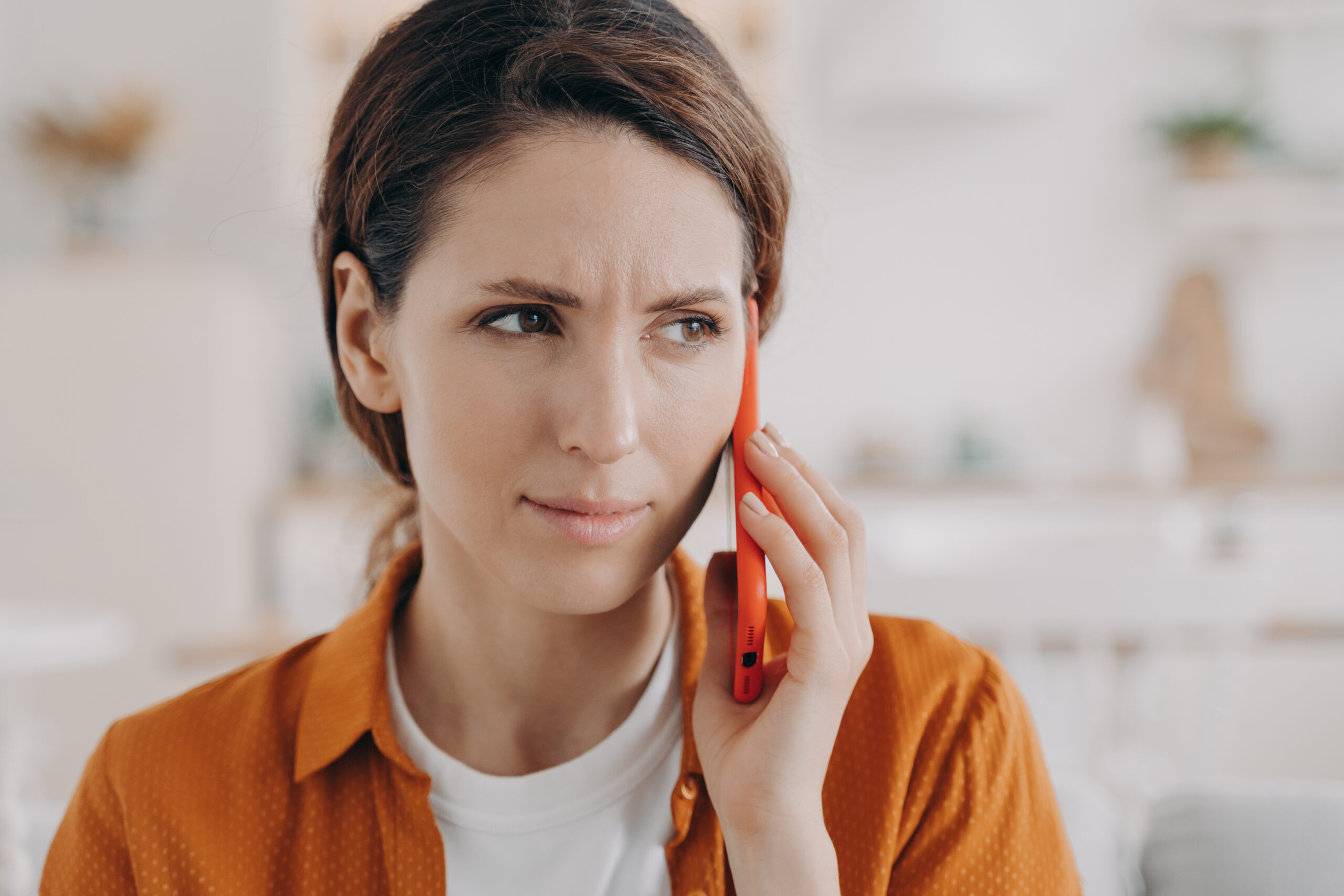
You wake up, pick up the phone, and the voice on the other end sounds muffled and far away, as if someone packed cotton into one ear. Maybe you noticed a “pop” the day before. Most people’s first thought is earwax, a lingering cold, or allergies, so they wait for it to clear up. Sometimes that’s all it is. But sometimes it’s something that deserves a call to a professional today, not a wait-and-see approach.
What Is Sudden Hearing Loss?
Sudden sensorineural hearing loss (SSHL), sometimes called “sudden deafness,” is a rapid drop in hearing that develops over a few hours to about three days. It usually affects one ear. The National Institute on Deafness and Other Communication Disorders (NIDCD) estimates it affects roughly 1 to 6 people per 5,000 each year, and the true number is likely higher because many cases go unreported. It’s most common in adults in their late 40s and 50s, though it can happen at other ages too.
Unlike the gradual changes many of us experience over the years, SSHL involves the inner ear or the hearing nerve rather than a simple blockage. That difference matters, and it’s why a hearing test is such an important first step.
Signs to Watch For
- Muffled or “underwater” hearing in one ear, often noticed on waking or during a phone call
- A loud pop just before the hearing changed
- Fullness or pressure in the ear
- New ringing, buzzing, or roaring (tinnitus)
- Dizziness or feeling off-balance
Why Timing Matters
About half of people with SSHL regain some or all of their hearing on their own, often within a week or two. The challenge is that there’s no reliable way to know in advance whose hearing will come back, so waiting it out can be a gamble.
When treatment is needed, it’s generally most effective when started early. Corticosteroids are the most common treatment, and NIDCD notes that delays of more than two to four weeks make lasting hearing loss less likely to improve. Many people lose valuable time because the symptoms get mistaken for congestion or wax. A quick, painless hearing test can help tell the difference between a blockage and an inner-ear problem.
What to Do If It Happens to You
- Don’t wait for it to clear. Contact your audiologist, ENT, or primary care provider as soon as you can, ideally the same day.
- Use the words “sudden hearing loss.” Saying this when you call helps the office understand the urgency.
- Skip the at-home fixes. Ear drops, cotton swabs, and ear candles won’t help an inner-ear problem and may delay care.
- Note the details. When it started, which ear, and any dizziness, ringing, recent illness, or new medications.
If hearing changes come with facial drooping, weakness, slurred speech, or severe dizziness, call 911, as these can be signs of a stroke.
The Bottom Line
Most hearing changes come on slowly. When the change happens overnight, treat it as urgent. A prompt call to a hearing healthcare professional could make a real difference in how much hearing you keep, and peace of mind is worth the visit even if it turns out to be something simple.